Spring House Explosion Box SVG: A Designer's Review
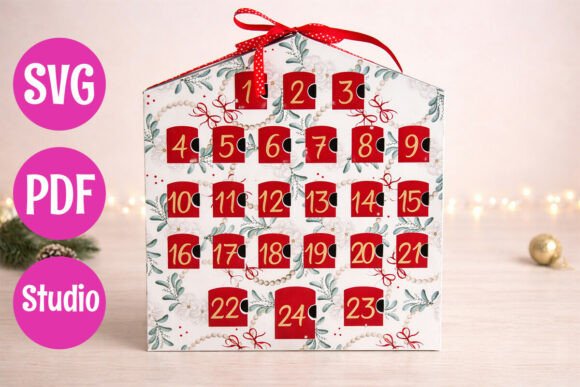
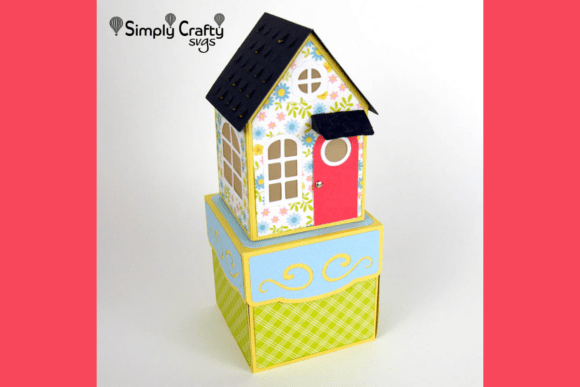
When I first pulled up the Spring House Explosion Box SVG on my screen, my immediate reaction wasn't just about the cut lines or the fold mechanics typical of a paper craft. As an embroidery designer, my brain instantly started translating those vector paths into stitch types. This isn't just a file for a scrapbooker; it is a visual asset with serious potential for textile application if handled with the right technical approach. The design exudes a whimsical, cottage-core mood that feels incredibly timely for spring collections, but the real question for us as makers is: how does this translate from a digital 3D model concept to a durable, stitched finished product?
Translating 3D Concepts to Flat Embroidery
The core challenge and opportunity here lie in the nature of the source material. The product description highlights its function as an interactive gift box and decorative luminary within the 3D Houses category. While we aren't stitching a literal exploding box onto a garment, the architectural elements of the design offer a fantastic framework for a high-value embroidery project. The clean lines and structural shapes suggest a design that relies heavily on precision.
In a real-world scenario, imagine you are preparing a custom order for a boutique client who wants a unique "Welcome Spring" tote bag. They don't want a generic floral print; they want something with character. Adapting the facade of this house design creates a charming focal point. The visual personality of the file suggests a storybook aesthetic. When evaluating the layout, I look for how the elements balance. Does the roofline dominate? Are the window details crisp enough to survive the transition from screen to thread? For this specific design, the simplicity of the forms is a strength. It means less risk of thread breaks and better clarity when scaled down for smaller items like baby bibs or pocket patches.
Real-World Application Scenarios
Let's get practical about where this machine embroidery design shines. I recently tested a similar architectural concept on a heavy-weight canvas tote bag design, and the results were promising. The structural integrity of the house shape holds up well against the texture of canvas. If you are an Etsy seller looking to expand your spring inventory, consider applying this motif to linen tea towels or apron pockets. The "home" theme aligns perfectly with kitchen textiles.
For custom apparel, think beyond the standard left-chest logo. A larger version of this design could serve as a striking back-piece on a denim jacket or a oversized sweatshirt. The sweatshirt embroidery market is saturated with simple text, so offering a detailed, illustrative house graphic adds perceived value. It transforms a basic garment into a handmade product that feels curated. Furthermore, for those creating personalized gifts, the empty spaces within the design—like windows or door panels—are prime real estate for adding monograms or dates using a contrasting satin stitch.
If you are venturing into commercial embroidery for local businesses, such as a garden center or a bakery, this design offers a friendly, approachable branding element. It avoids the corporate stiffness of standard logos while maintaining professional polish. However, remember that while the original file is a 3D SVG intended for construction, your embroidery adaptation will be flat. You must mentally deconstruct the 3D layers to create a cohesive 2D composition that reads clearly from a distance.
Technical Considerations and Fabric Compatibility
No design review is complete without discussing the pitfalls. While the Spring House Explosion Box SVG is visually appealing, certain fabric choices require caution. If you attempt to stitch this on a stretchy knit without adequate stabilization, the rigid lines of the house structure may warp, making the building look crooked. Always use a cut-away stabilizer for garments that will undergo frequent washing to maintain the shape of the architectural lines.
Textured fabrics present another variable. On a waffle weave or a thick terrycloth towel, fine details like tiny window panes might get lost. In these cases, I recommend simplifying the embroidery file by merging small running stitches into solid fill areas. Dark fabrics also pose a challenge; if the design relies on light thread colors, ensure your underlay is dense enough to prevent the background fabric from peeking through and muddying the colors. Conversely, stitching on dark navy or black can make a white or pastel thread pop beautifully, creating a striking contrast that highlights the stitch density and craftsmanship.
Be mindful of hoop size limitations. If the original design is intricate, scaling it down to fit a 4x4 hoop for a cap or a sock might compromise the legibility of the smaller details. Caps, with their curved surfaces, are particularly tricky for wide designs. The house shape is generally vertical, which helps, but always test the curvature effect on a spare cap before committing to the final product.
Enhancing Brand Value and Customer Trust
From a business perspective, the choice of design directly impacts buyer engagement. A well-executed embroidery job using a distinct motif like this builds brand consistency. It tells your customers that you pay attention to trends and quality. When a customer receives a pillow cover or a blanket featuring this design, the tactile quality of the stitches combined with the charming imagery increases the "giftability" of the item. It feels special, not mass-produced.
Professionalism in presentation is key. Before listing this as a small shop product, create high-quality printable mockups that show the design on various textures. Show potential buyers how the thread colors interact with different materials. This transparency builds trust. If you are selling this as a digital embroidery file rather than a finished good, provide clear instructions on recommended settings. Advise your buyers to check the stitch count and density settings relative to their specific machine capabilities.
Final Designer Notes and Best Practices
Before you commit to a production run, treat the Spring House Explosion Box SVG as a starting point, not a final mandate. My golden rule is to always test the design on scrap fabric that matches your final material. Check the color contrast; sometimes a subtle shift from light blue to sky blue makes the sky portion of the design blend too much with the roof. Inspect small details closely—are the corners sharp, or do they bunch up? If you see puckering, adjust your tension or stabilizer weight.
It is also crucial to verify licensing terms. Just because a file is available as an SVG doesn't automatically grant commercial rights for resale as a digital design asset or for unlimited physical sales. Confirm whether the license covers craft business usage, especially if you plan to sell hundreds of units. Finally, consider testing the design in a black-and-white mockup first. If the design loses its definition without color, it may rely too heavily on hue rather than form, indicating a need for outline adjustments before stitching.
In conclusion, this design holds significant promise for the creative entrepreneur willing to adapt its 3D origins into thoughtful 2D embroidery. With careful attention to fabric choice, stabilization, and stitch optimization, the Spring House Explosion Box SVG can become a staple in your spring collection, delighting customers with its charm and your expertise with its execution.