Advent Calendar House: A Designer's Real-World Review
As someone who spends hours staring at screens analyzing stitch paths and density maps, I approach new machine embroidery design releases with a healthy dose of skepticism. We have all seen files that look stunning in a digital preview but turn into a puckered mess on actual fabric. So, when I first laid eyes on the Advent Calendar House, my immediate reaction wasn't just about how cute it looked; it was about how it would perform under the needle. This isn't just a holiday graphic; it is a structural challenge disguised as a charming cottage. After putting this 3D SVG concept through its paces on various materials, I can offer a practical breakdown for fellow designers, Etsy sellers, and craft business owners considering this for their next embroidery project.
First Impressions and Visual Personality
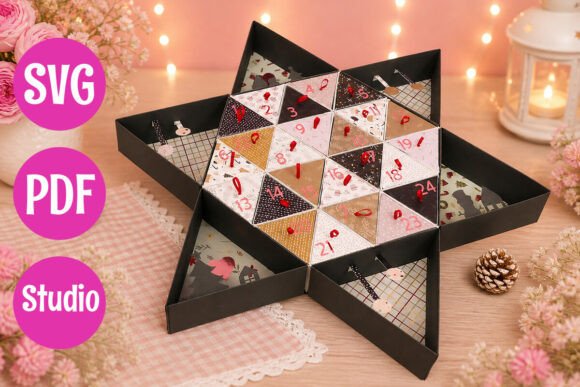
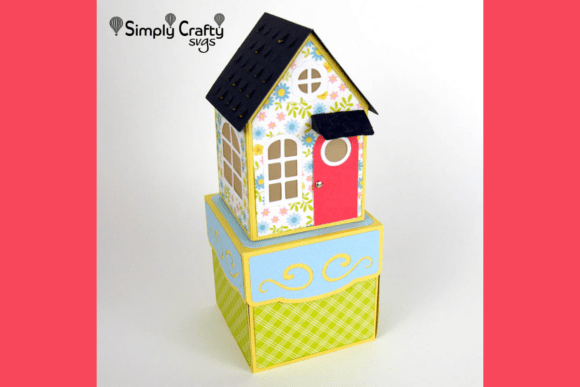
The initial mood this design creates is undeniably cozy. It captures that specific nostalgic feeling of waiting for Christmas morning, translating it into a tangible shape. The layout is clever, utilizing the silhouette of a house to frame the countdown element. For a designer, the visual personality here strikes a balance between whimsical and structured. It feels like something that belongs on a high-end boutique product rather than a mass-produced item found in a big-box store. The charm lies in the promise of interaction—the idea that windows can open to reveal surprises adds a layer of engagement that static designs simply cannot match. However, from a technical standpoint, this interactivity demands precision. The lines must be crisp, and the spacing adequate to ensure the "windows" function without tearing the fabric or tangling threads.
Real-World Application Scenarios
To truly evaluate the Advent Calendar House, I moved beyond the screen and into the workshop. My primary test case was a custom sweatshirt embroidery project for a client who wanted a unique family gift. I chose a mid-weight cotton blend fleece, which is a popular choice for custom apparel. The result was impressive. The design sat well on the chest area, providing enough surface area for the details to breathe. Imagine a customer receiving this as a personalized gift; the tactile nature of the house shape combined with the functional aspect of the calendar makes it a conversation starter at any holiday gathering.
Beyond apparel, I could easily see this thriving as a standalone embroidered patch. If you are an Etsy seller looking to expand your design assets, creating iron-on or sew-on versions of this house could be a lucrative avenue. Patches allow for tighter stitch density control since they are often done on stable backing before application. Another strong contender for this design is home decor, specifically a heavy linen tote bag design or a kitchen towel. The rigid structure of the house complements the flat surface of a tote, making it an ideal small shop product for holiday markets. For those specializing in nursery items, scaling this down for baby embroidery on a onesie or bib is possible, though it requires careful attention to thread softness and stitch count to ensure comfort against sensitive skin.
Technical Considerations and Fabric Challenges
While the aesthetic appeal is high, we must discuss where caution is required. This design is not universally forgiving. If you are working with stretchy fabric like thin jersey knits, the density of the house outline and the internal details could cause significant distortion. In these cases, a robust stabilizer is non-negotiable. I would recommend a cut-away stabilizer for garments that will undergo frequent washing to maintain the integrity of the shape over time.
Curved surfaces present another hurdle. Attempting this on a cap or hat requires meticulous hooping. The center of the cap is often too narrow for the full width of a house-shaped design, potentially cutting off crucial details or forcing the needle to hit the brim. Furthermore, dark fabric backgrounds require strategic planning regarding thread colors. If the design relies on light threads for the window frames or snow accents, ensure there is sufficient underlay to prevent the dark fabric from peeking through, which can ruin the clean look of the finished product.
Small hoop sizes are also a constraint. If your machine is limited to a 4x4 inch hoop, you may need to verify if the Advent Calendar House fits without resizing, which could compromise the stitch density and clarity of small elements like door handles or window panes. Always check the specific dimensions provided in the digital embroidery file before committing to a project.
Enhancing Brand Value and Customer Trust
Using a well-executed design like this directly impacts your brand perception. When a customer sees a complex, interactive element like the opening windows of the Advent Calendar House, it signals professionalism. It shows that you, as a maker, care about detail and functionality. This level of quality builds customer trust and encourages repeat business. For commercial embroidery projects, consistency is key. If you plan to sell this as part of a collection, ensure that every unit maintains the same high standard of stitching clarity. A sloppy finish on such a detailed design can quickly erode confidence in your handmade product.
Moreover, the visual appeal of this design translates well into marketing materials. It photographs beautifully for printable mockups and social media previews, helping to drive buyer engagement before the item is even listed. The distinct shape makes it instantly recognizable, aiding in brand recall during the busy holiday season.
Practical Notes for the Professional Embroiderer
Before you commit to stitching this on a client's garment, adhere to these practical steps:
- Test on Scrap Fabric: Always run a test stitch-out on the exact same fabric type and weight you intend to use for the final product. This reveals potential issues with tension or registration.
- Check Thread Contrast: Ensure your chosen thread colors provide enough contrast against the fabric background to make the details pop, especially for the window elements.
- Review Stitch Density: Look closely at the fill areas. If they are too dense, they may become stiff or cause puckering. Adjustments might be needed in your software.
- Confirm Hoop Size: Verify that the design fits comfortably within your available hoop size without crowding the edges.
- Inspect Small Details: Zoom in on the digital file to check for tiny running stitches or sharp corners that might break or bunch up.
- Mockup Verification: Test the design in black and white mockups to ensure the shape holds up even without color reliance.
- Licensing Check: Crucially, confirm the licensing terms of the embroidery file. Ensure you have the rights to use it for commercial embroidery and selling finished items if that is your goal.
In conclusion, the Advent Calendar House is a standout piece for the Christmas season, offering a blend of nostalgia and interactive fun. However, its success relies heavily on the skill of the operator and the suitability of the materials. By respecting the technical requirements and understanding where this design shines versus where it struggles, you can create stunning holiday embroidery pieces that delight customers and elevate your craft business. Whether it ends up on a cozy sweatshirt or a festive tote, this design has the potential to be a star performer in your holiday lineup.