Review: Happy Birthday Card Layered Paper Cut Design
As a designer who spends more time staring at stitch simulations than actual fabric, I approach every new machine embroidery design with a mix of optimism and skepticism. When I first opened the files for the Happy Birthday Card Layered Paper Cut, my initial reaction wasn't about the thread count or the hoop size—it was about the mood. There is a specific charm to layered paper-cut aesthetics that translates surprisingly well into thread work, provided the digitizer understood how light interacts with stacked elements. This design, categorized under Birthdays and labeled as a 3D SVG, immediately struck me as a piece meant for celebration, but not the chaotic kind. It feels structured, elegant, and ready for a boutique touch.
First Impressions and Visual Personality
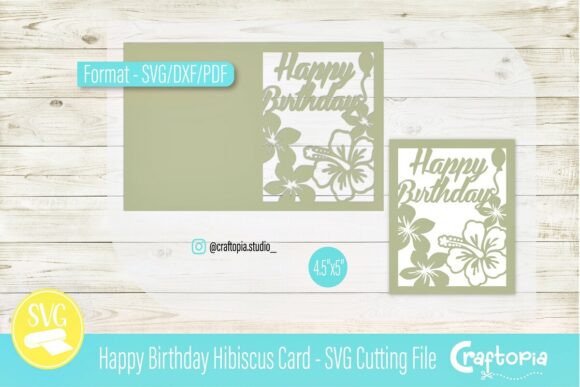
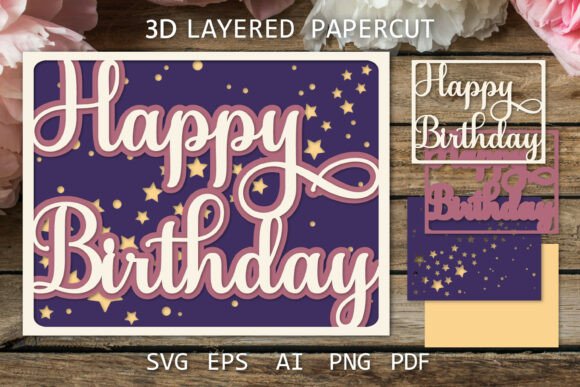
The layout of this design relies heavily on the interplay between positive and negative space, mimicking the depth of a physical papercut card. In an embroidery project, this translates to a need for precise stitch density management. The stars and the typography suggest a whimsical yet sophisticated vibe, making it suitable for far more than just a child's party. My first thought was how this would look on a high-quality linen tote or a structured canvas bag. The clean lines and distinct layers offer a modern alternative to the overly bubbly fonts we often see in birthday motifs. It has a visual personality that says "handmade with intention," which is exactly what customers look for when buying a personalized gift.
Real-World Application: The Boutique Sweatshirt Scenario
To truly test the viability of this design, I imagined a real-life scenario: a small shop owner preparing a limited run of custom sweatshirts for a local craft fair. The goal is to create a finished product that feels premium enough to justify a higher price point. Using the Happy Birthday Card Layered Paper Cut here makes sense because the layered effect adds perceived value. Unlike a flat satin stitch name, this design offers texture and dimension.
However, executing this on a fleece-lined sweatshirt requires careful planning. The fabric texture of French terry or heavy cotton blend can swallow fine details if the stabilizer isn't up to the task. I would recommend using a cut-away stabilizer rather than tear-away to support the multiple layers implied by the design. If the stars are small, they risk getting lost in the nap of the fabric. For this specific custom apparel application, I'd suggest scaling the design slightly larger than the minimum recommended hoop size to ensure the intricate cuts remain visible after stitching. The result would be a garment that doesn't just say "happy birthday," but looks like a wearable piece of art.
Navigating Technical Challenges
While the aesthetic is strong, there are areas where this design demands caution. The concept of a "layered paper cut" inherently involves sharp corners and potentially thin bridges between elements. In embroidery terms, these are danger zones for thread breaks or puckering, especially on stretchy fabrics like jersey knits used for baby embroidery projects. If you are adapting this digital embroidery file for a onesie, you must verify that the connecting points between the stars and the text are robust enough to withstand washing.
Furthermore, curved surfaces present a unique challenge. Attempting to place this design on a cap or a rounded pillow cover could distort the geometric precision of the layers. The straight lines of the "paper cut" style might warp if the fabric tension isn't perfectly managed during hooping. For holiday embroidery gifts like kitchen towels or aprons, the flat surface is ideal, but for something like a backpack or a curved hat, I would advise running a test stitch-out on a scrap piece of the same material first. Always check the thread colors against your fabric; high contrast works best here to emphasize the layered effect, whereas low contrast might make the design look muddy.
Commercial Viability and Brand Consistency
For an Etsy seller or a creative entrepreneur, the versatility of a design asset is paramount. The Happy Birthday Card Layered Paper Cut fits well into a brand strategy focused on modern, minimalist celebrations. It avoids the cluttered look of traditional birthday graphics, allowing it to sit comfortably alongside other products in a cohesive shop collection. Whether used as an applique design on a denim jacket or a direct stitch on a pillow cover, it maintains a level of professionalism that builds customer trust.
When creating printable mockups for your online store, this design shines because the layers create natural shadows and highlights even in digital renderings. This helps buyers visualize the tactile quality of the handmade product before they purchase. However, before listing items made with this design, it is crucial to review the licensing terms. Since the source file is described as a 3D SVG, ensure that the license permits commercial use for physical goods. Some designers restrict the use of SVGs to cutting machines only, so confirming that it is cleared for commercial embroidery is a necessary step to avoid legal headaches down the road.
Final Designer Notes and Recommendations
If you decide to integrate this into your workflow, treat it with the respect due to a complex graphic. Do not assume the default settings will work for every fabric. Test the design on scrap fabric that matches your final product's weight and weave. Pay close attention to the fill stitch directions in the star elements; if they run against the grain of the fabric, distortion is likely. For dark fabrics, consider underlaying the design with a white or light-colored thread to make the colors pop and prevent the background from showing through the stitches.
Ultimately, the Happy Birthday Card Layered Paper Cut is a promising addition to a designer's library. It bridges the gap between digital crafting and textile art, offering a fresh take on a classic occasion. With the right preparation, attention to stitch density, and a keen eye for fabric compatibility, it can elevate a simple tote bag design or embroidered patch into a standout item. Just remember: the beauty of layered designs lies in their clarity. If the stitches are too dense or the fabric too unstable, that clarity is lost. Proceed with testing, respect the materials, and you will find this design to be a reliable tool for creating memorable, high-quality gifts.