Review: 3D SVG Takeout Box for Objects
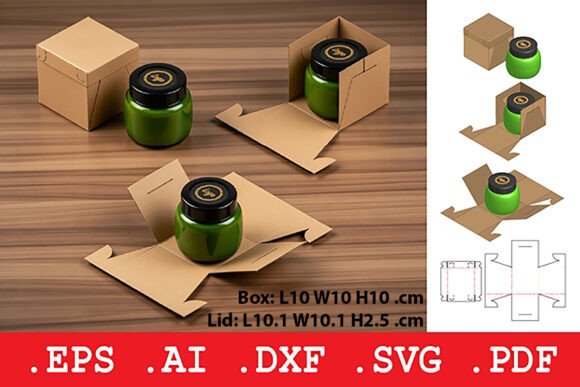
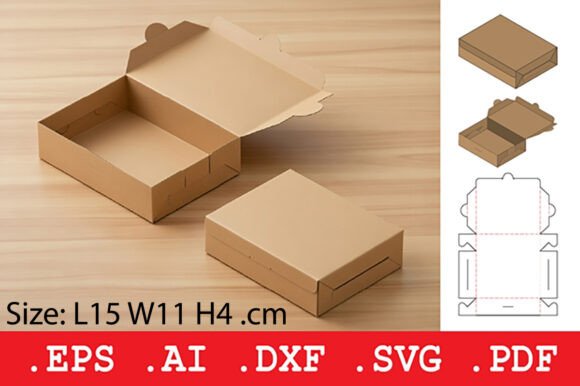
As a brand designer and content marketer, I am constantly scouting for graphic design assets that bridge the gap between conceptual creativity and practical application. Recently, I evaluated the Takeout Style Folding Tuck Box for an upcoming campaign involving a local artisanal bakery launching a new line of weekend pastry bundles. In the crowded landscape of small business branding, the difference between a scroll-past and a conversion often lies in the tactile quality of visual elements. This 3D SVG file, categorized under Objects, immediately stood out as a versatile tool for creating depth and narrative in flat digital spaces.
First Impressions and Emotional Resonance
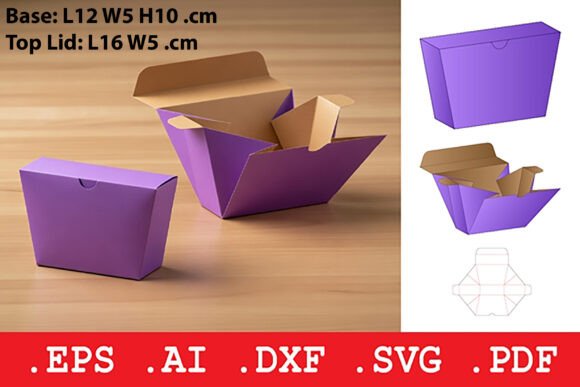
Upon opening the file, the first impression was one of structured playfulness. The geometry of the box suggests functionality while maintaining a whimsical charm suitable for lifestyle content. Unlike generic clipart that often feels sterile, this illustration carries a specific mood: it feels inviting, handheld, and ready for action. For a brand aiming to project warmth and accessibility, this asset hits the mark. It evokes the feeling of receiving a gift or a special treat, which is a powerful emotional trigger in content marketing. Whether used for casual branding or as a accent in premium visuals, the angled side walls and wide folding tuck lid create a sense of reliability and care.
Integrating the Asset into Real Campaign Workflows
In our specific use case for the bakery launch, the Takeout Style Folding Tuck Box became the central hero of our social media graphics. We utilized the vector capabilities to recolor the box to match the client's pastel brand palette, proving its flexibility as a modern design element. Here is how this digital product performs across various marketing channels:
- Packaging Design & Product Labels: While primarily a digital asset, the clean lines make it perfect for printing on actual packaging inserts or stickers, reinforcing the unboxing experience.
- Social Media Graphics: On Instagram and Pinterest, the 3D perspective adds necessary depth to feed posts, making them pop against flat backgrounds.
- Digital Ads: For Facebook and Google ads, the clear silhouette ensures instant recognition even at smaller sizes, improving click-through rates.
- Email Banners: Used as a framing device for promotional text, it guides the eye naturally toward the call-to-action button.
- Editorial Design: In blog headers or media kits, it serves as a thematic anchor that ties together text and imagery without overwhelming the layout.
Strategic Value for Brand Identity and Audience Trust
The primary goal of any brand identity overhaul or campaign refresh is to build audience trust. Consistency is key, and using a high-quality SVG design ensures that the visual language remains sharp across all devices. The Takeout Style Folding Tuck Box supports this by offering a professional appearance that elevates the perceived value of the product inside. When customers see cohesive, well-designed marketing visuals, they subconsciously attribute higher quality to the business itself. This asset helps achieve a stronger first impression and clearer visual hierarchy, ensuring that the product takes center stage while the packaging provides context.
Ideal Applications for Maximum Impact
This creative design element shines brightest when used as a focal point. It is ideal for hero graphics on landing pages where you need to instantly communicate "product" or "delivery." It works exceptionally well in product launch visuals, acting as a container for new items in announcement posts. Furthermore, it is a fantastic addition to branded templates for Canva, allowing clients to easily drag and drop their own photos into the "box" area if modified, or simply use it as a decorative brand element in promotional banners. For printable design projects like event flyers or posters, the bold shape draws attention from a distance.
Navigating Limitations and Design Constraints
However, every design asset has its boundaries. The Takeout Style Folding Tuck Box should be used carefully in formal corporate branding where a more minimalist or abstract approach is required. It may feel too literal or playful for serious financial or legal sectors. Additionally, in dense information layouts or text-heavy ads, the intricate folds of the box could compete with the main message, causing visual clutter. On very small mobile graphics, fine details might get lost if not simplified, so testing readability is crucial. It is also less effective on low-contrast backgrounds where the shadow details of the 3D effect might disappear.
Practical Notes for Designers and Marketers
Before integrating this commercial design into your final deliverables, consider these practical steps to ensure professional branding:
- Color Testing: Always test the asset with your specific brand color palette. See how it looks in full color versus black and white to ensure versatility.
- Mockup Integration: Place the SVG inside real campaign mockups early in the process to gauge scale and proportion.
- Mobile Preview: Preview the design on mobile screens to confirm that the "tuck" details remain visible and do not blur.
- Typography Pairing: Experiment with different font styles. This box pairs beautifully with handwritten fonts for a personal touch, sans serif fonts for a modern look, and display fonts for bold headlines.
- Competitor Analysis: Compare your usage against competitor visuals to ensure your campaign stands out in the creative marketplace.
- Licensing Verification: Always confirm the commercial license terms before using the asset in paid campaigns, client work, or products for resale.
In conclusion, the Takeout Style Folding Tuck Box is more than just a static image; it is a dynamic component for storytelling. By leveraging its 3D structure and adaptable nature, designers can create memorable campaign visuals that resonate with audiences. Whether you are a digital seller creating a new design bundle, a social media manager refreshing a feed, or an online coach designing a workbook cover, this asset offers the structural integrity and aesthetic appeal needed for successful web design and packaging design projects. It transforms simple Objects into compelling narratives, proving that even the smallest graphic design asset can have a massive impact on your brand's success.