Retro Shirt Gatefold Card: A Designer's Review
As someone who spends half their life staring at stitch simulations and the other half managing client expectations, I approach every new machine embroidery design with a healthy dose of skepticism. We've all been there: a file looks fantastic on the screen, but once it hits the hoop, the density is off, or the details vanish into the fabric texture. That's why I took a close look at the Retro Shirt Gatefold Shaped Card 4 Dad. While this is technically marketed as a paper crafting asset—a gate fold card design available in SVG, STUDIO, and PDF formats—my brain immediately started translating those vector lines into thread. Could this retro aesthetic work for a stitched project? Let's dig into the practical reality of using this shape for real-world embroidery applications.
First Impressions: Mood and Visual Personality
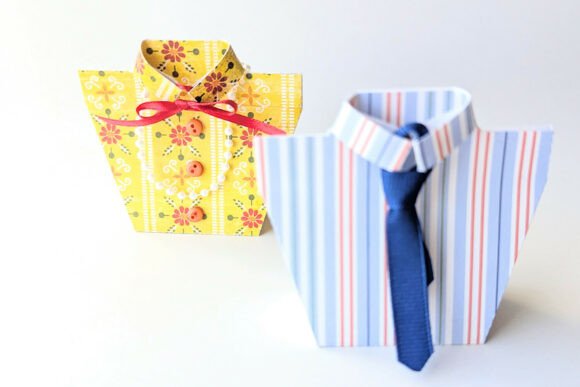
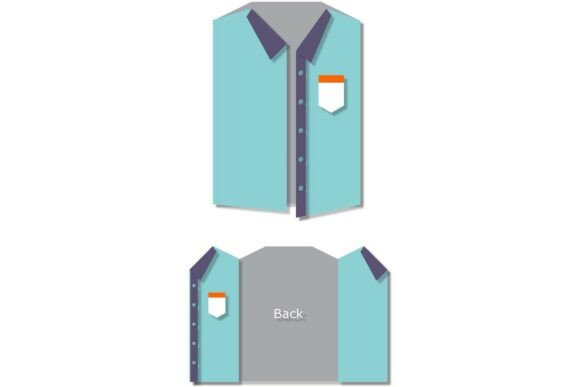
The moment you load the Retro Shirt Gatefold Shaped Card 4 Dad into your design software, the vibe is unmistakable. It screams "classic dad" without trying too hard. The retro shirt silhouette offers a nostalgic touch that feels perfect for Father S Day, but its clean lines suggest it could easily transcend a single holiday. The gate fold aspect implies a layered construction, which in the embroidery world translates beautifully to appliqué or layered fabric techniques.
Visually, the design relies on strong, recognizable shapes rather than intricate, tiny details. This is a huge plus for us decorators. When you are dealing with a custom apparel order or a handmade gift, readability is king. A design that holds its shape from across the room is worth its weight in gold. The layout suggests a central focal point—the shirt body—with potential for personalization on the "pocket" or chest area. It feels professional, structured, and ready to be elevated from a simple cutout to a textured, tactile finished product.
Real-World Application: Beyond the Paper Craft
Let's move away from the theoretical and talk about a specific scenario. Imagine a small shop owner preparing for the June rush. They need a standout item for their boutique that isn't just another standard t-shirt. Here is where repurposing the concept behind the Retro Shirt Gatefold Shaped Card 4 Dad shines. Instead of paper, imagine this shape executed as a large-scale applique design on a heavy canvas tote bag design.
You could use a chambray or denim fabric for the shirt shape, applying it with a tight satin stitch border to mimic the look of a garment sewn onto the bag. The "gate fold" element could be interpreted as a functional pocket or a flap that opens to reveal a hidden message or a monogram stitched underneath. This transforms a static image into an interactive handmade product. Customers love interactivity; it increases the perceived value and makes the item feel like a true personalized gift rather than mass-produced merchandise.
Another viable avenue is sweatshirt embroidery. Placing this retro shirt motif on the back of a crewneck, perhaps oversized and slightly distressed, taps directly into current streetwear trends. The 3D SVG nature of the original file hints at dimensionality, which we can replicate by using high-loft foam underlay or layering multiple fabrics to create actual depth. For baby embroidery, scaling this down for a onesie bib or a nursery wall hanging creates a sweet, thematic decor piece that parents adore.
Technical Considerations and Fabric Challenges
However, enthusiasm must be tempered with technical realism. If you decide to adapt this shape for stitching, you need to be mindful of where the design might struggle. The original files are cutting files, meaning they don't come with pre-defined stitch paths, densities, or underlay settings. You are essentially building the embroidery project from scratch based on the shape.
One major consideration is stitch density. If you fill the entire shirt shape with a solid fill stitch, you risk creating a stiff, cardboard-like patch that won't drape well on soft fabrics like jersey knits. For wearable items, I recommend using a lighter density or incorporating decorative running stitches to break up the mass of thread. On textured fabrics like towels or fleece, ensure your satin stitch borders are wide enough to bridge the gaps in the fabric texture; otherwise, the edges will look jagged and unfinished.
Curved surfaces present another hurdle. If you are attempting this on a cap, the flat geometry of the shirt design might distort over the crown's curve. You would need to manually adjust the pull compensation in your digitizing software to prevent the design from shrinking or warping. Similarly, be cautious with dark fabrics. If the retro shirt shape relies on light thread colors, you must account for the background showing through. A dense underlay or a twill appliqué base is non-negotiable here to maintain color vibrancy and stitching clarity.
Small Details Matter
The "retro" aesthetic often implies specific detailing, like collar shapes or button placements. In embroidery, tiny details are the first to disappear. If the design includes small text or intricate button graphics, verify that they are large enough to be stitched cleanly. Anything smaller than a quarter-inch often turns into a blob of thread after washing. For a commercial embroidery run, consistency is key. If one shirt has clear buttons and the next doesn't, your brand consistency suffers, and customer trust erodes.
Enhancing Value and Buyer Engagement
Why go through the trouble of adapting a card design for embroidery? Because it offers uniqueness. In a sea of generic "Best Dad" texts, a visually distinct retro shirt motif stops the scroll. For an Etsy seller or creative entrepreneur, this kind of distinctive visual identity drives buyer engagement. It signals that thought went into the design, elevating the item from a commodity to a keepsake.
The presentation of the finished product also benefits from this shape. It frames the embroidery nicely, giving it a defined boundary that looks intentional and polished. Whether it's a kitchen towel, a pillow cover, or a limited edition holiday embroidery piece, the structured shape lends itself well to professional photography. Good mockups lead to better sales, and a strong silhouette photographs beautifully against various backgrounds.
Practical Notes for the Studio
Before you commit to producing a batch of these for your craft business, here is my checklist for success:
- Test on Scrap First: Never skip the stitch-out. Test your adapted version on the exact fabric weight you plan to sell.
- Check Thread Contrast: Ensure your thread colors pop against the fabric. High contrast usually reads better in photos and in person.
- Review Stabilizer: For a shape this size, a cut-away stabilizer is likely necessary to prevent distortion over time, especially if it's a personalized gift meant to last.
- Verify Licensing: Since the source is a cutting file portfolio, double-check the license terms. Just because you can cut it doesn't always mean you can digitize and sell the resulting embroidery file or finished goods commercially.
- Mockup in Black and White: Convert your digital preview to grayscale. If the design loses its definition without color, the stitch structure needs work.
- Confirm Hoop Size: Ensure the scaled version fits comfortably within your machine's hoop limits without needing excessive re-hooping, which introduces alignment errors.
In conclusion, the Retro Shirt Gatefold Shaped Card 4 Dad is more than just a paper craft template. With a designer's eye and some technical adaptation, it serves as a robust foundation for unique, high-value embroidery projects. It bridges the gap between nostalgia and modern craftsmanship, offering a versatile asset for anyone looking to expand their design assets and delight their customers with something truly special.